


Ground Support Equipment (GSE): Key Tools for Aircraft Handling
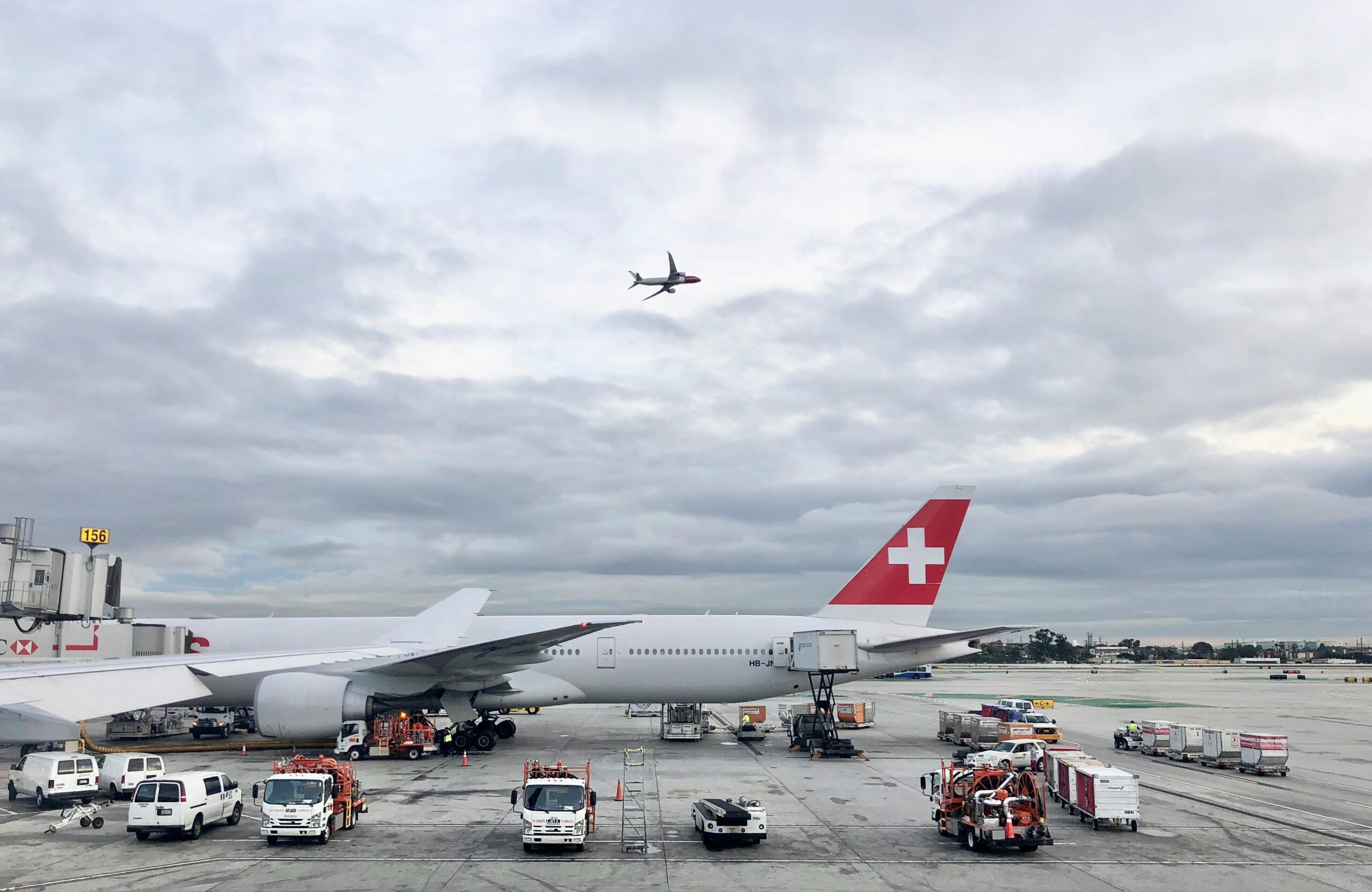

Aircraft operations don’t stop when the plane touches the ground. Once an aircraft is on the apron, a specialized set of equipment known as Ground Support Equipment (GSE) becomes essential for ensuring safe, efficient, and smooth ground handling. Whether it’s repositioning an aircraft, servicing it between flights, or supporting maintenance activities, GSE is vital to keep airside operations running seamlessly. From tugs and jacks to tow bars and wheel chocks, these tools play a critical role in every airport, hangar, and maintenance facility.
Among the most recognizable GSE tools are aircraft tugs, which are used to tow or push aircraft across ramps, taxiways, and into hangars. Depending on the aircraft size, tugs may range from small, walk-behind electric units to large, diesel-powered tow tractors capable of moving wide-body jets. Some airports also use towbarless tugs, which lift the aircraft nose gear for towing without a traditional tow bar, improving maneuverability and reducing strain on aircraft components. Tugs are indispensable for ground movement in tight areas where aircraft cannot taxi under their own power.
Tow bars, on the other hand, are more common in smaller or mid-size operations and require connection to both the aircraft’s nose gear and the tug. They are designed to match specific aircraft types, with locking mechanisms to ensure secure attachment. While not as advanced as towbarless systems, tow bars are reliable, affordable, and easy to maintain, making them a standard tool in many hangars. For situations involving long-distance towing or repositioning on uneven surfaces, they are often preferred for their simplicity and durability.
Aircraft jacks are another essential part of GSE, used primarily during maintenance procedures such as landing gear servicing, tire replacement, or weight and balance checks. Depending on the aircraft type, different jack types may be required, including tripod jacks for wing and tail support or axle jacks for lifting individual wheels. These jacks must be rated for aircraft-specific weights and meet safety standards to ensure stability during lifts. Properly using jacks is critical for safe maintenance, especially during tasks involving high stress on structural components.
Wheel chocks may appear simple, but their function is vital. These wedge-shaped blocks are placed in front of and behind aircraft tires to prevent any unintentional movement while parked. Typically made of rubber or urethane, wheel chocks are lightweight, durable, and highly visible. In high-traffic ramp environments, they’re used alongside parking brakes to ensure absolute safety. Chocks are especially important during refueling, loading, and when the aircraft is parked on an incline or exposed to wind.
In addition to these primary tools, various other pieces of airside handling equipment support daily ground operations. Aircraft service stairs, maintenance stands, and platform lifts allow technicians and crew members to safely access doors, hatches, and elevated service points. Ground power units (GPUs) provide external electrical power to aircraft systems while engines are off. Air start units, pre-conditioned air (PCA) systems, and hydrant fuel carts are also part of the broader GSE family. These systems help maintain cabin comfort, start engines, and refuel aircraft efficiently without relying on internal systems.
In conclusion, ground support equipment is a critical yet often overlooked component of aviation infrastructure. Each tool, whether it’s a heavy-duty tug or a simple rubber chock, plays an essential role in ensuring the safety, precision, and timeliness of aircraft handling on the ground. Airports, MROs, and FBOs rely on these tools not only for operational efficiency but also for compliance with safety regulations. A well-equipped airside operation with reliable GSE can dramatically reduce turnaround times and improve both maintenance and flight readiness.
Posts Widget




Copyright 2025 © tandestore.com . All right reserved.
